
How to Give Your Desert Dweller (Cactus) the Best Life in
Sri Lanka
More Than Just a
Spiky Plant
Cacti are becoming a popular indoor plant choice among Sri
Lankans especially in apartments, offices, and modern homes. With their
striking shapes, low maintenance, and drought tolerance, they are ideal for
busy lifestyles. But even in a tropical country like Sri Lanka, cacti need the
right care to truly thrive. Here's how to give your desert dweller the best
life under our local conditions.
1. Use the Right Pot and Well-Draining Soil
Cactus roots don’t like to sit in water. In Sri Lanka’s
humid climate, it’s even more important to prevent water retention.
- Always
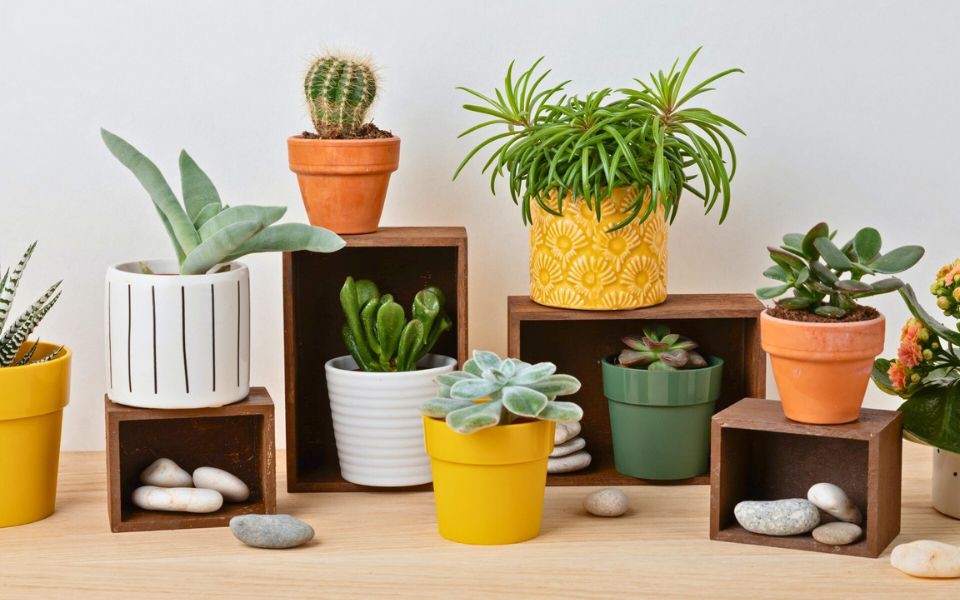
use a clay or terracotta pot with drainage holes, which helps dry
out the soil faster.
- Use pre-mixed
cactus soil, or create your own by mixing:
- 2
parts regular potting mix (available at most local nurseries)
- 1
part river sand or washed coarse sand
- 1
part coconut coir or perlite for drainage
This helps avoid root rot, especially during the
rainy season.
2. Find a Sunny Spot Indoors
In Sri Lanka, we receive plenty of sunlight year-round.
However, indoor lighting can still vary.
- Place
your cactus on a sunny windowsill, especially near west- or
south-facing windows.
- Avoid
placing them in fully shaded balconies or rooms without windows.
- If
you're growing cacti in condos or offices with limited sunlight, consider
using LED grow lights available online or in plant shops.
3. Water Smart – Sri Lanka Edition
Sri Lanka’s tropical weather can sometimes mislead plant
owners into overwatering. But cacti are desert plants and require less water,
even here.
Watering guidelines:
- Dry
season (March–August): Water once every 10–14 days
- Rainy
season (October–January): Water only when soil is completely dry
- Always
check with your finger 2 inches deep into the soil if dry, it's time to water.
Avoid watering late at night due to higher indoor humidity.
4. Keep It in a Warm, Dry Space
Sri Lanka’s temperature is mostly ideal for cacti generally between 25°C and 32°C.
However:
- Avoid
air-conditioned rooms that get too cold or damp.
- Ensure
good airflow around the plant to prevent fungal growth, especially
during rainy months.
5. Feed During Growing Months
Cacti in Sri Lanka can benefit from a little extra nutrition
during the dry, sunny months.
- Use a cactus
or succulent fertilizer, available at local garden shops or plant
nurseries like Dianthus or Green Garden.lk.
- Feed once
a month between January and August.
- Avoid
fertilizing during the rainy season when growth slows down.
6. Repot Every Few Years
Cactus growth is slow, but over time, they outgrow their
pots — especially if you keep them outdoors under partial sun.
How to repot in Sri Lanka:
- Do it
during the dry season for best results.
- Choose
a pot just 1–2 inches wider.
- Let
the plant dry out before repotting to avoid shock.
- Be
cautious of ants and garden pests while handling the soil.
7. Common Pests in Sri Lanka
Watch out for tropical pests that can affect cacti:
- Mealybugs
– cotton-like white insects on the cactus body
- Scale
insects – hard brown or white shells attached to stems
- Ant
trails – which often carry pests to the plant
Use a neem oil spray, garlic-based natural insect
repellent, or mild dish soap solution. These are commonly used by Sri Lankan
plant lovers as safe, home remedies.
Loving Your
Cactus, the Local Way
Even though cacti are desert plants, they can thrive
beautifully in Sri Lanka’s tropical indoor environment if you understand their
unique needs. With the right soil, light, and care tailored to our weather,
your cactus will not only survive but flourish.