
How to Care for Indoor Plants During Sri Lanka’s Rainy
Season
When the Rain
Falls, Your Plant Care Should Shift
Sri Lanka experiences heavy rains during the Southwest
(May–September) and Northeast (October–January) monsoons. While
plants naturally love water, too much rain and humidity indoors can lead
to problems like root rot, fungus, and pest attacks.
To keep your indoor plants healthy and vibrant, it’s
important to adjust your care routine during the rainy season. Here’s how to do
it the right way.
1. Reduce Watering – Let the Soil Guide You
The biggest mistake during rainy months is overwatering.
With higher humidity and cooler air, the soil dries much slower.
What to do:
- Always
check soil moisture before watering. Stick your finger 1–2 inches
into the soil only water if it's
dry.
- Cut
back watering frequency to once every 10–14 days for most indoor
plants.
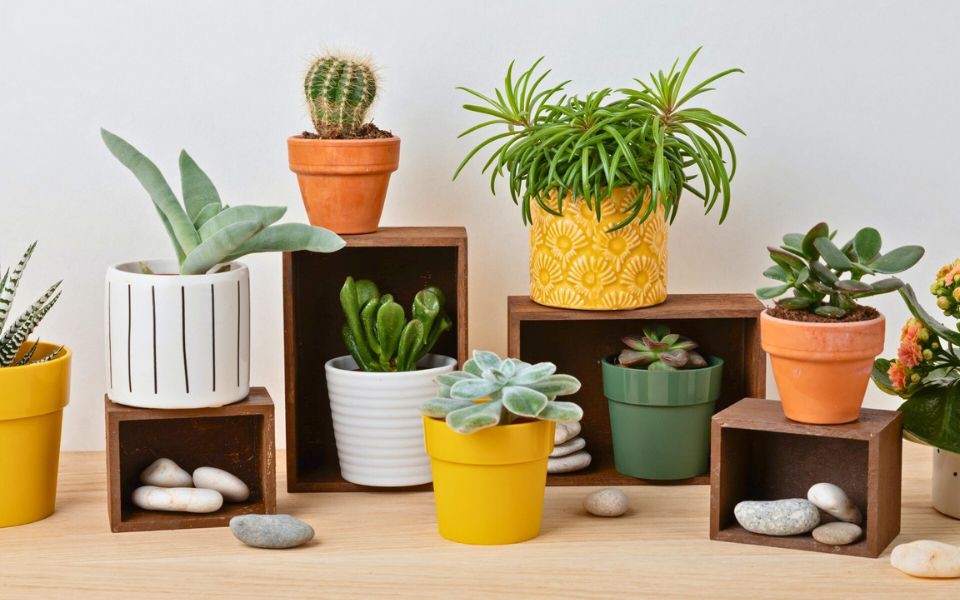
- Use clay
pots instead of plastic they
allow better air flow and evaporation.
2. Improve Air Circulation Indoors
Poor ventilation increases humidity, encouraging mold,
fungus, and even root rot.
How to help:
- Open
windows during the day if there’s no heavy rain.
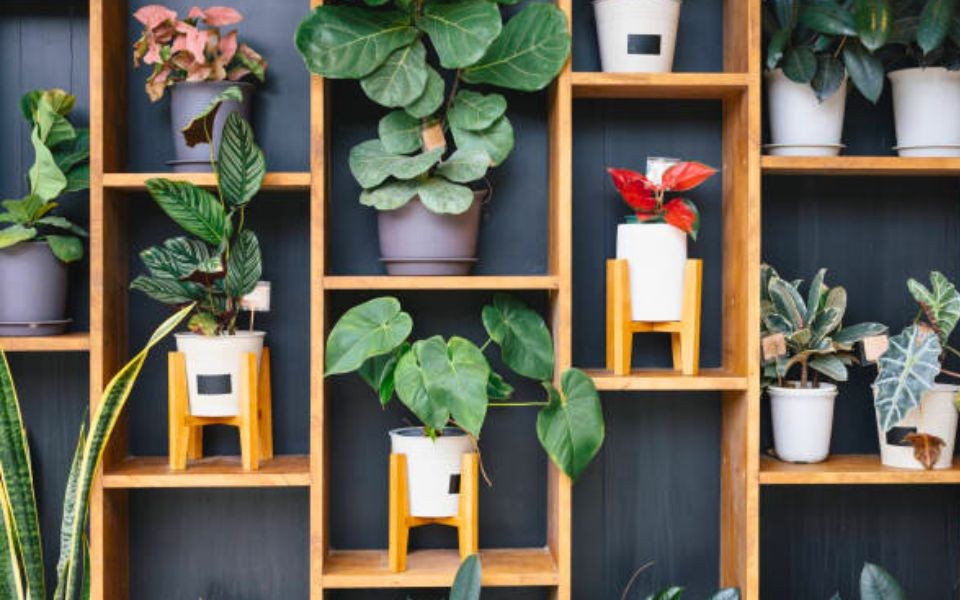
- Place
plants away from dark, damp corners.
- Use a fan
(not directly on plants) to promote gentle air flow in closed rooms.
- Avoid
clustering too many plants tightly together.
3. Ensure Proper Drainage
During the rainy season, any excess water left in the pot is
dangerous for your plant’s health.
Check the following:
- Make
sure drainage holes are not blocked.
- Empty saucers
or trays under pots immediately after watering or rain exposure.
- Add stones
or gravel at the bottom of pots to help water drain faster.
4. Watch Out for Fungal Infections and Mold
Humidity encourages white powdery mildew, leaf
spots, and mold on soil surfaces.
Prevent it by:
- Removing
fallen or yellowing leaves promptly.
- Sprinkling
cinnamon powder or charcoal dust on top of the soil (both
are natural antifungals).
- Watering
only the soil avoid wetting the
leaves unnecessarily.
- Using
a neem oil spray weekly as a natural anti-fungal treatment.
5. Deal with Common Rainy Season Pests
Some pests thrive in damp environments especially fungus gnats, spider
mites, and mealybugs.
Control methods:
- Let
the soil dry out completely between watering to break the pest life cycle.
- Use homemade
garlic spray or neem oil.
- Place yellow
sticky traps near affected plants to catch flying insects.
6. Choose the Right Spot Indoors
During rainy months, there’s less sunlight indoors, which
can cause slow growth or yellowing.
Tips:
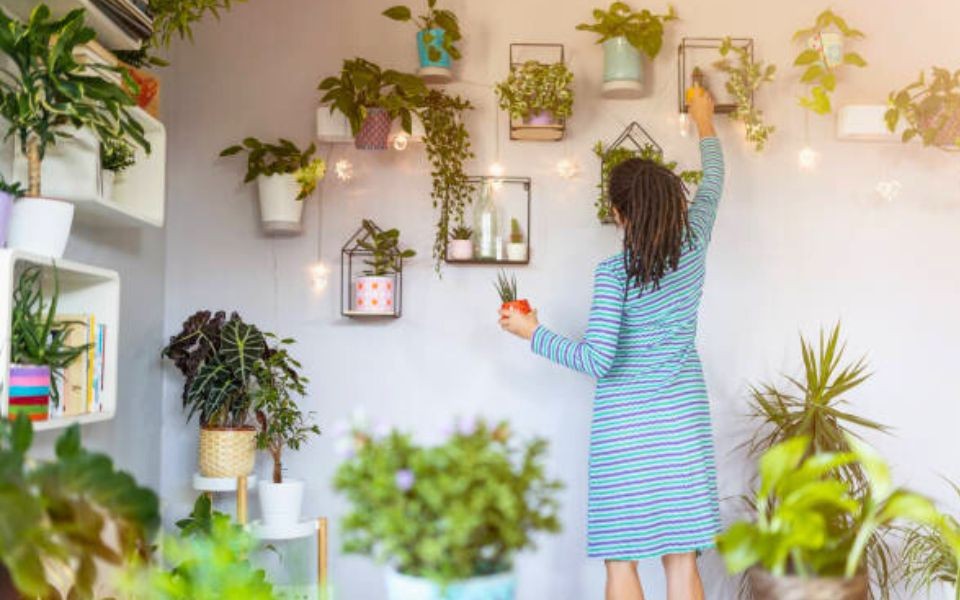
- Move
plants to brighter rooms (like living rooms or kitchens with
windows).
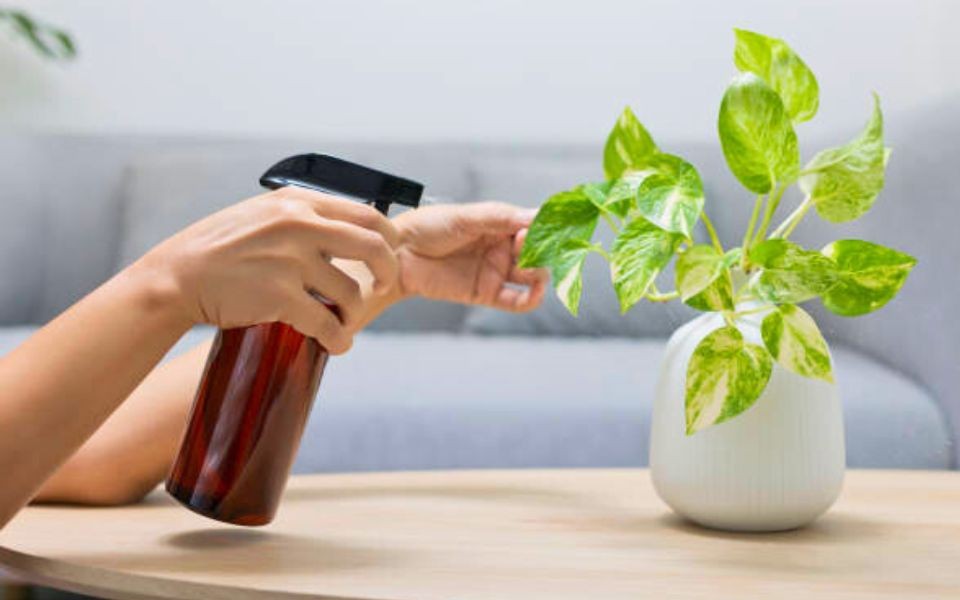
- Wipe
down leaves gently to remove dust and improve light absorption.
- For
low-light plants like ZZ plant or snake plant, don’t worry they adapt well during this season.
7. Skip Fertilizing During Monsoon
In Sri Lanka’s rainy season, most indoor plants enter a resting
phase and don’t need extra nutrients.
What to do:
- Pause
feeding until the dry season begins.
- Fertilizing
during high humidity may increase the risk of rot and fungus.
Rainy Days,
Healthier Plants With the Right Care
Sri Lanka’s rainy season is a beautiful time of year, but it
also brings challenges for indoor plant care. By adjusting your watering
schedule, improving drainage, and keeping a close eye on moisture and pests,
you can help your plants thrive even
through the wettest months.